
What Are Bunions, and Why Do They Form? A Podiatrist Explains
Bunions are one of the most common reasons patients visit a podiatrist in Brooklyn, New York, particularly when foot pain begins to interfere with daily life. For many people, this condition appears to come on without warning, but it actually reflects a structural shift deep within the foot.
So, what are bunions, and why do they form? Dr. Manoj Sadhnani, with Metro Healthcare Partners, provides the details below and covers the first steps toward getting effective care and preventing long-term problems.
What Are Bunions on Feet?

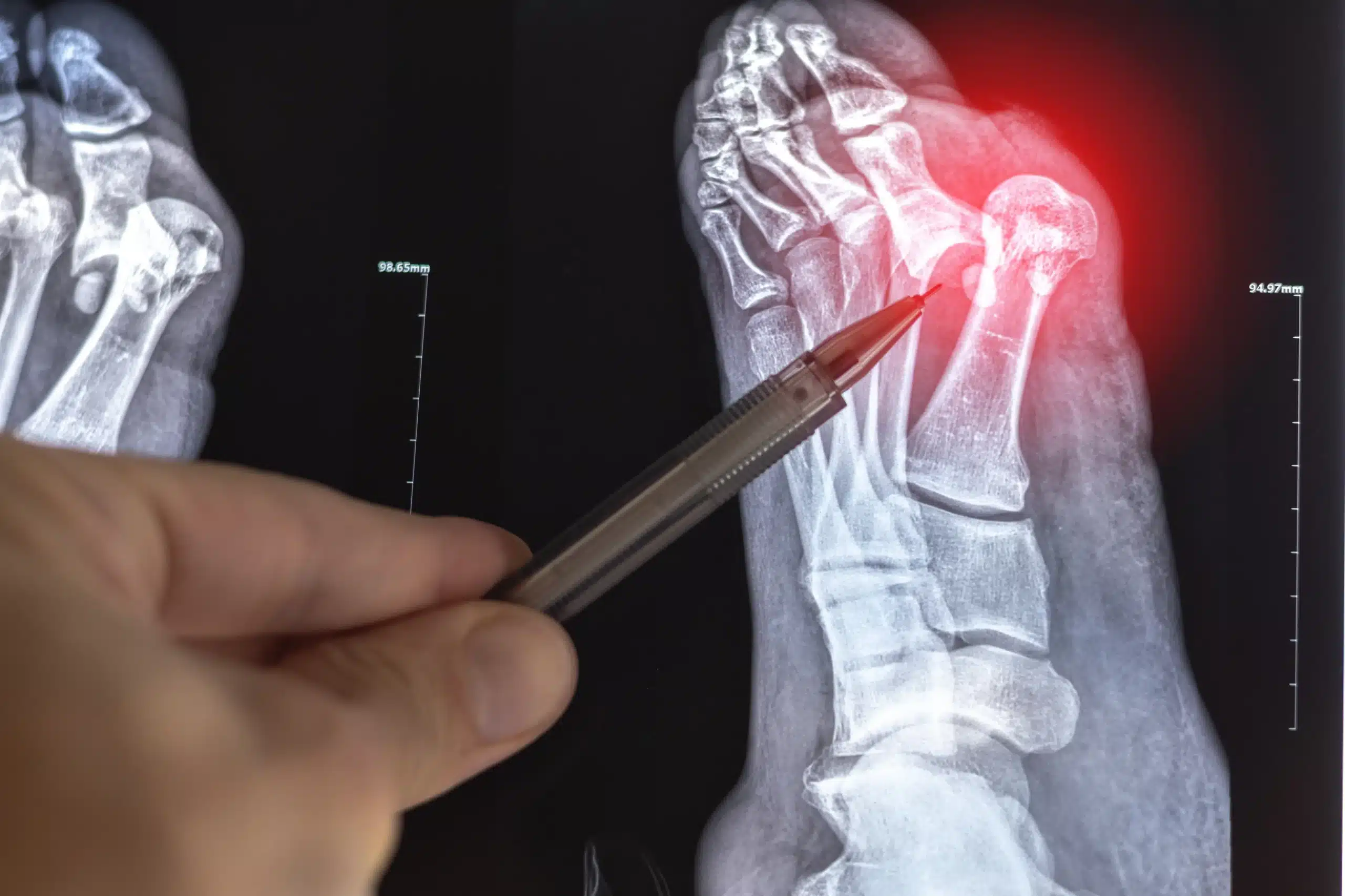
A bunion is a foot deformity that develops at the big toe joint, medically known as the first metatarsophalangeal (MTP) joint. In most cases, this happens because of hallux valgus, a condition in which the big toe gradually drifts toward the second toe.
As this occurs, the metatarsal bone angles inward, creating a visible bump along the inside of the foot. Contrary to popular belief, a bunion is not a growth of new bone. Instead, it is the result of bone misalignment, inflammation, and joint instability.
Over time, the bump becomes more pronounced, and symptoms such as redness, pressure, and soreness start to develop. The earlier bunions are evaluated, the easier they are to manage.
Bunions affect approximately 23% of U.S. adults under 65 and roughly 36% of those over 65, with higher rates in women. Nonsurgical treatments are sufficient for most, but around 1 to 2% of those with bunions undergo surgical correction annually, often via osteotomy procedures. Early intervention reduces progression in most mild cases.
Why Bunions Form: The Real Causes
A variety of factors contribute to bunion development, and most patients experience more than one. Genetics is the most common cause, but lifestyle habits and underlying mechanics play important roles as well.
The major contributors to bunion formation include:
- Inherited foot structure: Flat feet, flexible joints, or unstable arches increase the risk.
- Biomechanical imbalance: Certain walking patterns gradually shift the toe joint.
- Footwear choices: Tight, narrow, or high-heeled shoes accelerate progression.
- Arthritis: Inflammation weakens the supporting structures.
- Repetitive forefoot pressure: Jobs requiring extended periods of standing or walking add stress.
Once the joint begins to drift out of place, pressure and pain increase, and the deformity tends to worsen over time. Without treatment, the big toe may eventually cross over or under the second toe, making it increasingly difficult to wear shoes.
Symptoms That Signal a Problem

Although bunions start small, the symptoms can escalate and disrupt normal activities. Many patients notice the bump long before they feel severe pain, while others experience discomfort early on.
Common signs include:
- Tenderness at the big toe joint
- Swelling or redness after activity
- Stiffness or reduced mobility
- Burning sensations around the bump
- Shoe fit becoming more difficult
- Development of calluses or overlapping toes
If you notice these symptoms, consulting a foot doctor in Brooklyn, New York, can help determine the severity of the deformity and whether early intervention is necessary.
How a Podiatrist Diagnoses Bunions
When you visit a podiatrist in Brooklyn, the evaluation includes both a physical exam and diagnostic imaging. During the appointment, the physician checks joint flexibility, swelling, toe alignment, and how your foot moves while walking.
Doctors typically recommend X-rays because they reveal the degree of bone misalignment and whether arthritis is present. This information guides the development of the most effective treatment plan.
Bunions Treatment: Nonsurgical Options
Most patients benefit from conservative care first. Although nonsurgical methods cannot reverse the structural deformity, they significantly reduce symptoms and slow the progression.
Effective nonsurgical strategies may include:
- Footwear modifications: Wider, supportive shoes reduce irritation.
- Custom orthotics: These correct faulty foot mechanics and distribute pressure.
- Padding or spacers: Helpful for relieving shoe pressure and mild toe crowding.
- Anti-inflammatory options: Ice, NSAIDs, and topical creams reduce swelling.
- Physical therapy: Improves strength, mobility, and gait mechanics.
- Corticosteroid injections: Used sparingly to manage severe inflammation.
Many people find meaningful improvement with these approaches, which allows them to remain active without significant discomfort.
When Surgical Correction Becomes Necessary
For patients whose symptoms persist despite conservative care, their doctor may recommend surgical correction. Surgery is not simply shaving the bump. Procedures involve realigning the bones, restoring proper joint mechanics, and preventing further progression.
There are several surgical options, ranging from minimally invasive procedures to more complex reconstructions, depending on the severity of the deformity. Surgery is typically considered when:
- Pain limits daily activities
- The deformity is worsening
- Shoe wear becomes difficult due to the bump
- The toe is crossing under or over the second toe
- Arthritis begins to affect the joint
Most patients recover well and experience long-term relief once the underlying structural issue is corrected.
Contact Metro Healthcare Partners Today To Take the Next Step Toward Relief
Bunions may be common, but they should not disrupt your life. If you’re experiencing discomfort, limited mobility, or worsening toe alignment, it may be time to consult with an experienced specialist.
Our doctors accept most insurance plans, including workers’ compensation, no-fault, and PIP (personal injury protection). Our office also takes most private and commercial insurance plans, as well as Medicare and Medicaid. Same-day appointments may be available.
To schedule an appointment or learn more about visiting a podiatrist for ankle or heel pain, contact Metro Healthcare Partners at (718) 874-1204.
Frequently Asked Questions About Bunions
Here are answers to some additional questions patients commonly ask about bunions.
Are Bunions the Same Thing as Arthritis?
No, bunions are not the same thing as arthritis. Bunions are a structural misalignment of the big toe joint, while arthritis refers to inflammation or degeneration of the joint surfaces. However, long-standing bunions can increase the likelihood of arthritis developing later.
Do Bunions Always Get Bigger Over Time?
Bunions can develop over time and gradually worsen as the misaligned joint becomes increasingly unstable. While progression varies from person to person, early treatment can slow or reduce the rate of change.
Can Bunions Cause Balance Problems?
In moderate or advanced cases, bunions can cause balance problems. The big toe plays a crucial role in maintaining balance and propelling the body forward during walking. When its position is compromised, some people experience instability or altered gait patterns.

